
Planning Expandable Accommodation for Australian Parks and Workforce Sites
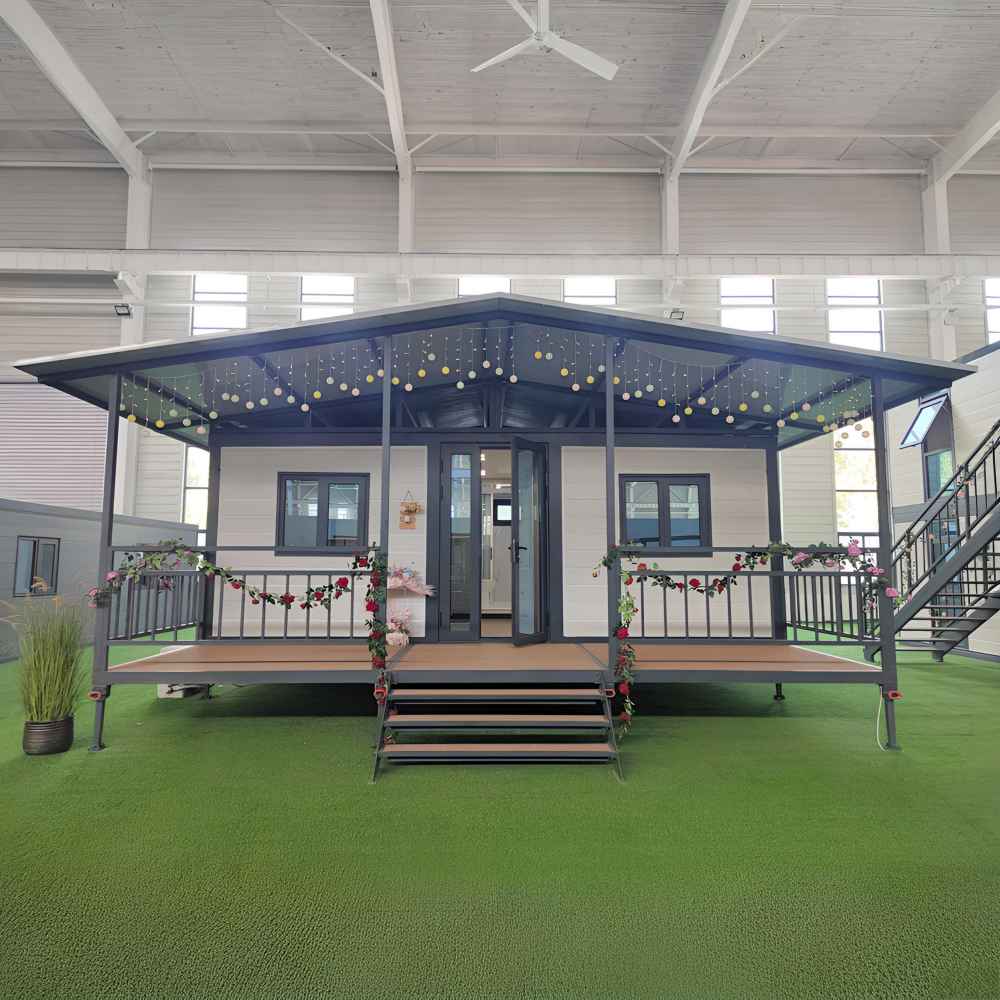
Holiday parks, farm stays, workforce sites and temporary facilities can need extra accommodation for very different reasons. One operator may be planning a small number of guest rooms. Another may need staff accommodation, a site office or a staged expansion that can be discussed before committing to a permanent build.
An expandable house can provide a useful prefabricated format for that conversation. Feeker expandable houses are factory-prefabricated and folded for shipping, with layouts and options discussed around the intended use. The final project still depends on the actual site, access, services and applicable local requirements.
The questions below help Australian site operators prepare a clearer first enquiry without choosing detailed specifications too early.
Start with the operating need
Describe the problem the additional space needs to solve. Useful starting points include guest accommodation, seasonal staff rooms, workforce accommodation, reception or office space, amenities support, temporary project facilities or a combination of uses.
Also explain whether the demand is continuous, seasonal or linked to a particular project. This context helps the sales team discuss a suitable layout and project path instead of treating every site as the same.
Estimate capacity and room priorities
Provide an approximate number of occupants and the rooms or functions that matter most. For example, a guest-stay layout may prioritise privacy and bathroom access, while a workforce project may place more emphasis on repeatable room planning and practical circulation.
You do not need a final floor plan for the first conversation. A short list of essential rooms, preferred separation between spaces and any accessibility or operational priorities is enough to begin a project-specific review.
Check delivery access and the proposed placement area
Expandable houses are folded for transport, so both the destination and the route into the site matter. Note road conditions, gate width, turning space, overhead obstructions, slopes and the space available around the proposed placement area.
Regional and remote sites can have different delivery constraints from metropolitan locations. Current site photos, an approximate location and a simple access description can help identify questions that need to be resolved before a detailed proposal.
List the available services
Record the electricity, water, drainage and communications available near the intended location. The product material includes an Australian power configuration option, but the final electrical, plumbing and service arrangement must be reviewed for the actual project.
If services are not yet available, mention that in the enquiry. It is better to identify an unresolved site condition early than to assume a standard connection will suit every location.
Consider daily operation, not only the building footprint
The surrounding site affects how the accommodation will work. Think about pedestrian access, vehicle movement, waste collection, maintenance access, privacy, noise and the relationship to existing facilities.
For a holiday or farm stay, describe the guest experience you are planning. For workforce accommodation, explain the expected occupancy pattern and any shared facilities. These details help distinguish the operational requirement from a simple request for a particular size.
Decide whether the project may be staged
Some operators want to discuss one initial unit before considering a larger rollout. Others already have a multi-unit concept. State whether the enquiry is for an initial trial, a staged project or a defined accommodation requirement.
Commercial terms, logistics, technical documentation and the final configuration vary by project and are handled by the sales team after the initial lead is qualified.
Confirm local requirements for the actual site
Planning, building, siting, utility and operational requirements can vary by state, council, land use and intended occupancy. A prefabricated format does not remove the need for site-specific checks.
Before ordering, confirm the applicable requirements with the relevant Australian professionals and authorities. Feeker can discuss the expandable-house configuration and provide available product information, while local approval and site suitability remain project-specific.
What to include in the first enquiry
A useful first message can be brief. Include:
- the Australian state and project region;
- the site type, such as holiday park, farm stay or workforce location;
- the intended use and approximate number of occupants;
- the preferred rooms or operational priorities;
- a short description of delivery access and available services;
- whether the project may involve one unit, a trial or a staged rollout; and
- your Email address and WhatsApp number with international country code.
Your name and company name are helpful but optional. The sales team can ask for technical documents and further site information after the initial conversation.
Frequently asked questions
Can the same layout suit a holiday park and a workforce site?
Not necessarily. Occupancy, privacy, room functions, service needs and daily operation can differ. The intended use should be described before a layout is discussed.
Do I need final drawings before making an enquiry?
No. Start with the site type, region, intended capacity, access, services and room priorities. The sales team can then identify the next information needed for the actual project.
Does prefabrication remove local approval requirements?
No. Applicable planning, building, siting, utility and operational requirements still need to be checked for the actual site and intended use.
Can a multi-unit or staged project be discussed?
Yes. Explain whether the enquiry is for an initial unit, a trial or a staged accommodation plan. The sales team will review commercial and technical details for the proposed configuration.
Describe the site and intended use
Use the Email and WhatsApp enquiry form and include the international country code for WhatsApp. Both contact details allow the team to continue the project-specific discussion without asking you to repeat the same information.
You can also review the expandable house range before sending the enquiry.